

Too Good to Be True
The assumptions people make about attractive women often reveal more about the observer than the woman herself.

Firstly, I’d like to make something clear.
This article is not about all attractive women, nor is it an attempt to suggest that beauty and character are somehow linked.
They are not.
There are kind people and cruel people in every category imaginable.
The women I’m referring to throughout this piece are a very specific type:
women who are both physically attractive and genuinely good-hearted. Women who tend to see the best in others, who assume good intentions, and who often learn the hard way that not everyone operates from the same place they do.
That distinction matters.
Because this isn’t an article about beauty.
It’s an article about what can happen when beauty and innocence are mistaken
for weakness, arrogance, manipulation, or privilege by people who never took the time to look any deeper.
One of the strangest things about being considered physically attractive is realizing how often people decide who you are before you’ve said a word.
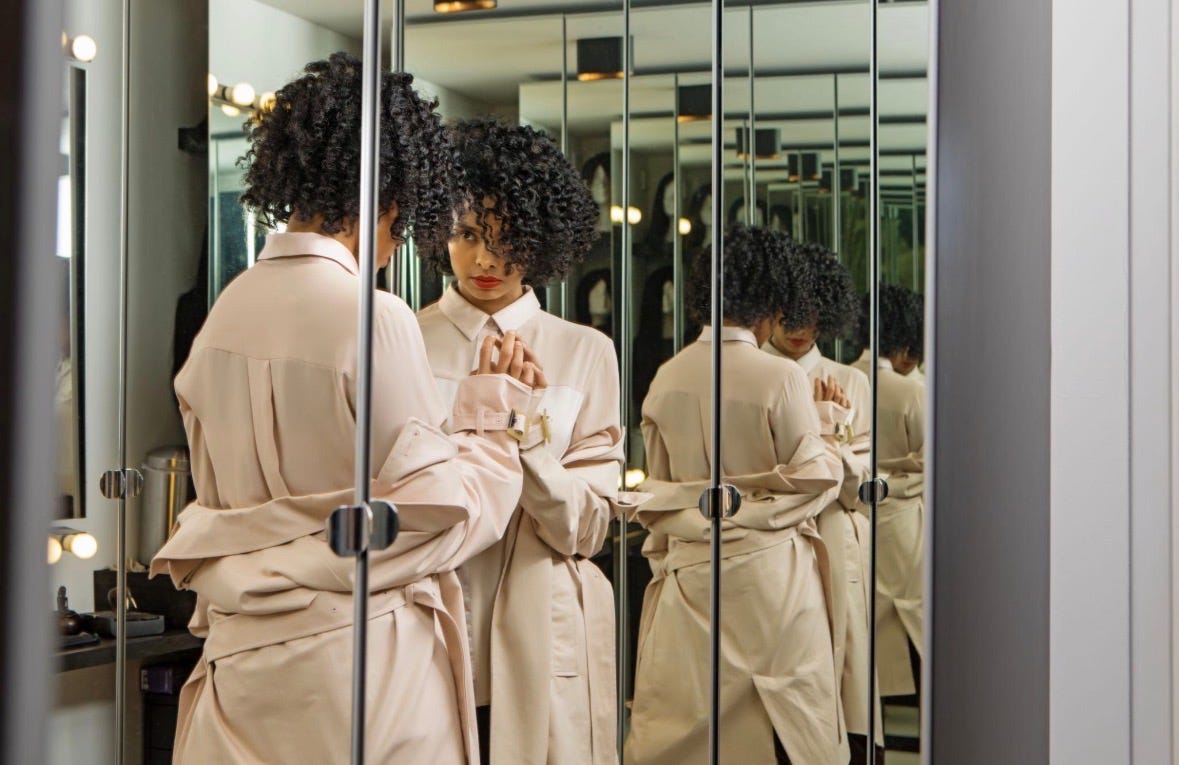
Some assume you’re shallow.
Others assume you’re arrogant.
Some assume your opportunities came easily, your success was handed to you, or your intelligence couldn’t possibly match your appearance.
Rarely do they stop long enough to find out whether any of those assumptions are true.

Beauty is often spoken about as though it only provides advantages.
What people discuss less often are the assumptions that come with it.
An attractive woman is frequently viewed through a lens of projection rather than reality.
Men may assume she is seeking attention, manipulating perception, or using her appearance to get ahead. If she is intelligent, her intelligence is questioned. If she is successful, her success is attributed to her looks. If she is confident, she risks being labeled arrogant.
Women project onto her as well.
Sometimes beauty is interpreted as competition where none exists.
A woman who simply exists comfortably in her own skin may find herself navigating resentment, comparison, exclusion, or subtle attempts to diminish her confidence. Not because of anything she has done, but because of what others assume her appearance represents.
The irony is that many attractive women spend years being misunderstood.
People assume they are surrounded by friends when they often struggle to find genuine ones.
People assume they have endless romantic options while simultaneously doubting their loyalty, sincerity, or depth.
People assume some of these naturally attractive women are seen.
But many spend their lives feeling unseen.
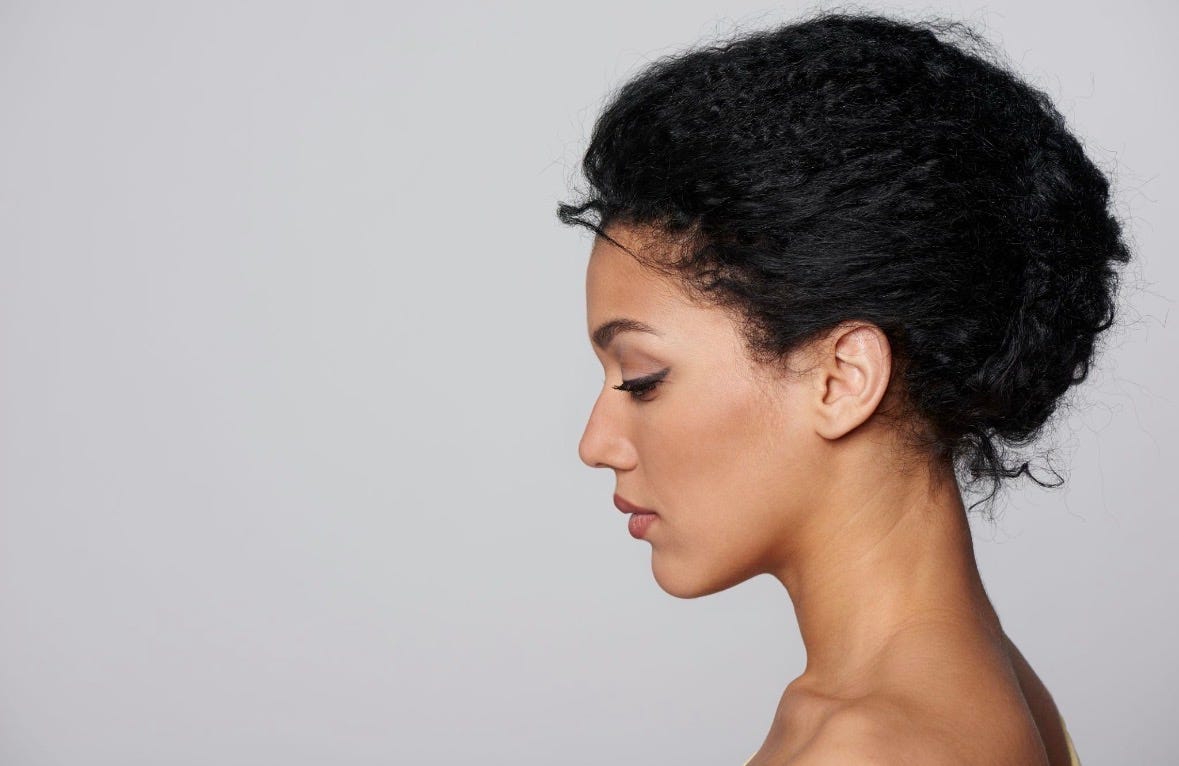
THE DARK SIDE
What people rarely discuss is that admiration and resentment can sometimes exist side by side.
Most people assume that a woman who is considered beautiful moves through life receiving endless praise and positive attention.
What they often overlook is the darker side of being perceived.
Some women become targets
of jealousy, projection, fixation, rumor, exclusion, or obsession. Not because of anything they have done, but because of what others imagine them to be.
In its mildest form, this may look like gossip, passive-aggressive comments, or attempts to undermine someone’s confidence.
In more serious cases, it can escalate into harassment, stalking, betrayal, or sustained campaigns to damage a person’s reputation.
The details vary, but the underlying pattern remains the same: people responding not to who the woman is, but to what she represents in their minds.
The irony is that many of the women who experience this most intensely are often the least prepared for it.
Not because they are weak.
Because they are trusting.
Because they assume sincerity.
Because they struggle to imagine the level of resentment, obsession, or malice another person may quietly carry.
Most people think resentment announces itself loudly.
In reality, it often arrives disguised as a joke, a compliment, a passing comment, or a subtle observation that feels slightly off.
The words themselves are usually harmless.
The feeling behind them isn’t.
Many women learn to ignore these moments because they seem too small to matter.
Until years later, when they look back and realize those moments weren’t isolated at all.
They were clues.
Perhaps the greatest misconception about beauty is that it tells us something meaningful about character.
It doesn’t.
A beautiful face can belong to a kind person or a cruel one. A loyal person or a dishonest one. A brilliant mind or an ordinary one.
Beauty tells us almost nothing about the person standing in front of us.
Yet for many women, it becomes the first thing others notice and the last thing they are allowed to move beyond.
Before she speaks, people have already written the story.
The problem is that the story is rarely hers.