

Is Everything Okay at Home
Some people ask how you’re doing because they need an answer.

Is Everything Okay at Home?
Some questions are asked out of concern.
Others are asked for information.
And then there are questions that seem compassionate on the surface but serve an entirely different purpose.
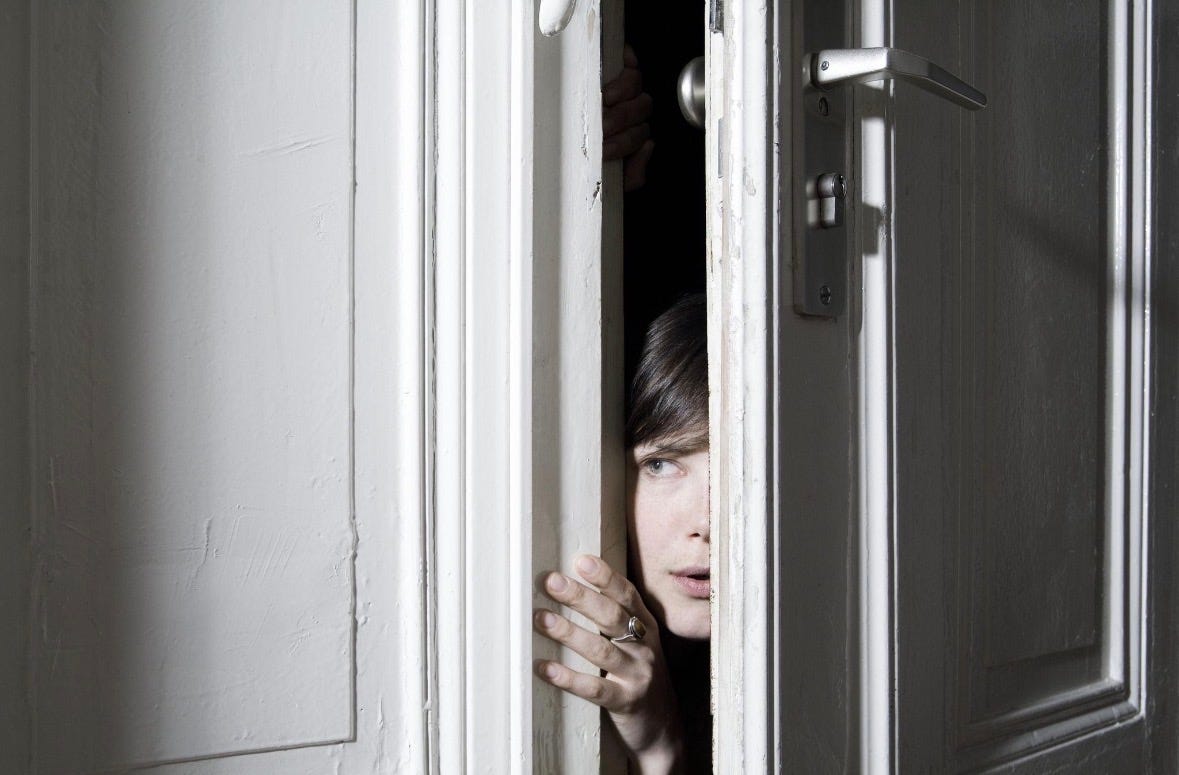
For years, I thought people were simply checking in.
“How are you doing?”
“Are you okay?”
“Is everything okay at home?”
The words sounded supportive, so I responded as though they were. What I didn’t understand at the time was that not everyone asks because they care about the answer.
Some people ask because they need an answer.
The answer becomes something they can repeat, reinterpret, exaggerate, or quietly add to a narrative that benefits them.
The conversation is not about helping you.
It is about collecting material.
Looking back, I noticed a pattern.
The people most invested in my struggles were rarely the people helping me through them. But people who desperately needed to shift attention away from their own problems.

I had become the perfect subject for other people’s assumptions.
From the outside, I was moving through a series of major life changes that many people would associate with crisis.
Some had lived through similar circumstances themselves. Others had witnessed them in the lives of people around them.
They understood the event.
What they didn’t understand was that not everyone experiences the same event in the same way.
They viewed my situation through the lens
— of how they would have felt, how they had felt, or how they expected someone should feel.

They began responding to a version of my life that existed more in their imagination than in reality.
In most cases, they were dealing with far more chaos in their own lives than I was in mine.
Yet somehow the attention always returned to me.
Every setback became evidence.
Every challenge became a story.
Every private detail became something discussed in rooms I wasn’t standing in. And what makes this behavior difficult to recognize is that it often arrives disguised as concern.
The person checking in every day appears supportive.
The person asking questions appears compassionate.
The person listening appears invested.
By the time you realize the conversation was never about helping you, they have already created the narrative. The conversation was more about them protecting their private lives and the problems they were going through but didn’t want eyes on.
Obviously, this is a classic behavior but one which many people overlook.
PROJECTION
According to Psychology Today :
“Projection is an unconscious defense mechanism where you attribute your own unacceptable thoughts, feels, or trains onto someone else. Instead of confronting internal discomfort—like jealousy or insecurity—you deflect it outward, perceiving others as the ones experiencing or exhibiting those exact behaviors.”
The irony is that many people who do this are not trying to understand your life or unfortunately, do not care. It’s their own lives they’re trying to escape.
Someone else’s problems become a distraction from their choices, their mistakes, their disappointments, or their unresolved wounds.
If they can make your situation appear worse than theirs, they no longer have to confront what is happening in their own world.
Looking back, there was another pattern I didn’t recognize at the time.
When enough people repeatedly ask whether something is wrong, you eventually begin looking for problems you weren’t originally focused on.
I wasn’t walking through life feeling defeated. If anything, I was moving through major changes with far more optimism than most people expected.
But constant questions have a way of shifting your attention.
“Are you okay?”
“How are you handling everything?”
“Is everything okay at home?”
At first, they felt like expressions of concern.
Over time, however, they subtly trained me to view my life through the lens of what was going wrong rather than what was still going right.
The circumstances themselves hadn’t changed.
My attention had.
What I eventually realized was that many people were responding not to how I was actually experiencing my life, but to how they imagined they would experience it themselves.
They saw the events and filled in the emotions.
And for a while, I unknowingly started viewing my own life through those assumptions as well.
The question never was:
“Is everything okay at home?”
The real question was:
“Please tell me something is wrong, because I need there to be.”
Not because they want to help.
Because they want to compare.
Because they want to repeat it.
Because they want to feel better.
Because they need a story.
And sometimes the most dangerous narratives are not created by enemies.
They are created by people who begin the conversation sounding concerned.